
What I Learned Shopping for Photography, Videography, Drone, and AV Installation Insurance
Disclaimer: I’m not an insurance agent, lawyer, or financial advisor, and this post isn’t legal or insurance advice. It’s just my own experience going through the process for our business. Every business is different, so talk to a licensed insurance professional about your specific situation.
Insurance isn’t the most exciting part of running a creative business, but it’s one of the most important. Recently, I spent a lot of time making sure D Morby Media has the right coverage for the different kinds of work we do. I compared a lot of options, spent plenty of time on the phone with insurance agents, and learned a lot along the way. I wanted to share that process for anyone else in photography, videography, drone work, or audiovisual installation who’s trying to figure out where to start.
Why Insurance Matters for Creative and Technical Businesses
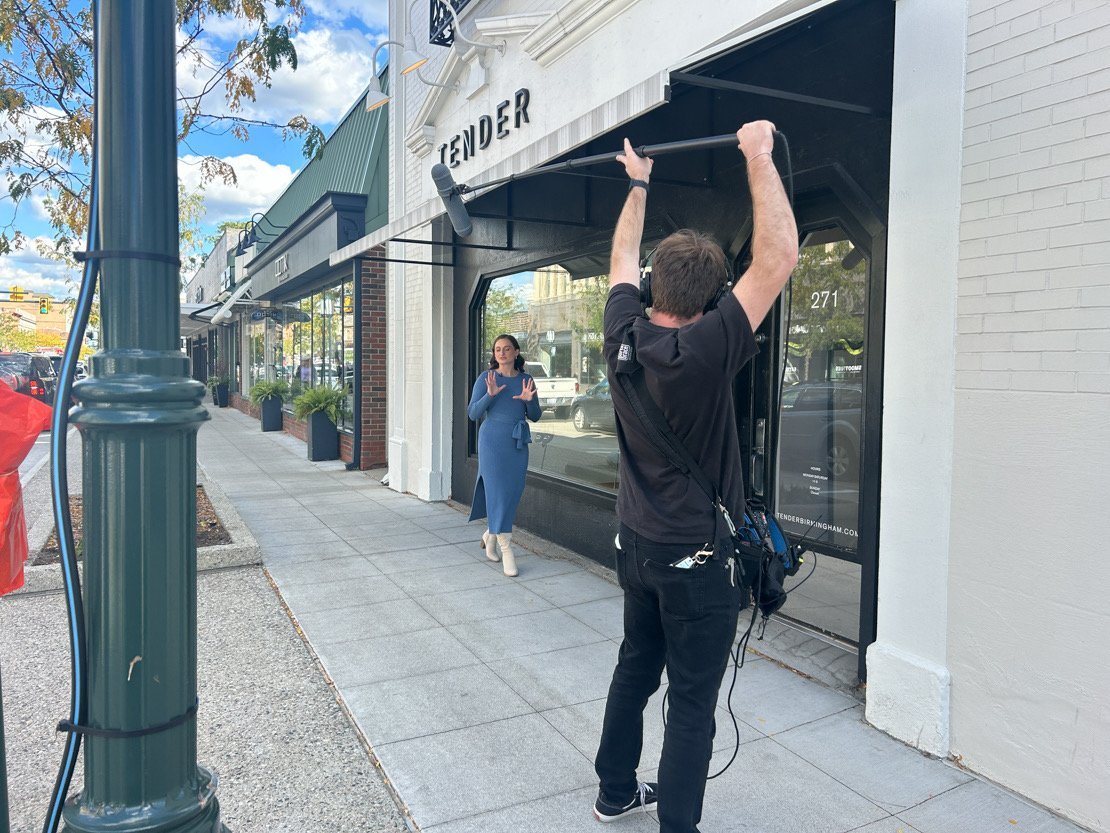
When you’re out on a shoot, flying a drone over a property, or installing equipment in someone’s building, a lot can go wrong that has nothing to do with how good you are at your job. Gear gets dropped, someone trips over a cable, or a client is unhappy with how something turned out. Having the right coverage means one bad day doesn’t have to turn into a business-ending problem.
It also matters to clients. Many venues, businesses, and property managers ask for proof of insurance before they’ll let you work on site. Being able to send that over quickly makes you look professional and keeps projects moving.
The Types of Coverage I Looked Into
Going into this, I didn’t realize how many different pieces there are. Here are the main ones I spent time learning about:
General liability: This is usually the foundation. It’s meant to cover things like someone getting hurt or property getting damaged because of your work.
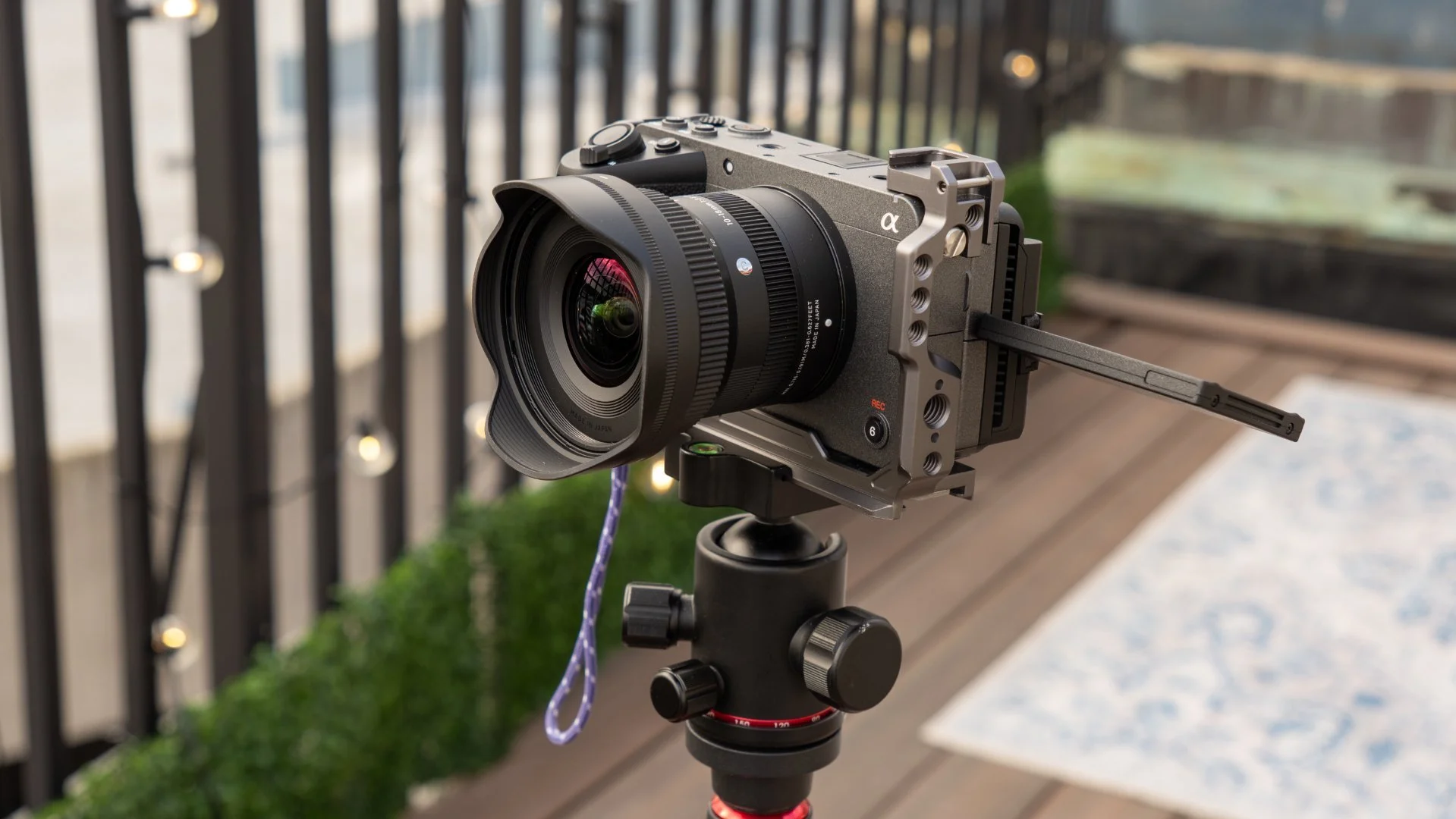
Equipment coverage: Cameras, lenses, drones, audio gear, and tools add up fast. I wanted to know what was covered if gear was lost, stolen, or damaged, both on the job and while traveling.
Professional liability (errors and omissions): This is meant for claims tied to the work itself, like a missed deliverable or a client saying a mistake cost them money.
Drone liability: Drone work often needs its own coverage or an add-on, so I asked about this specifically instead of assuming it was included.
Rented and borrowed equipment: If you ever rent gear for a bigger job, it’s worth asking whether that’s covered too.
Things to Consider for Photography and Videography Insurance
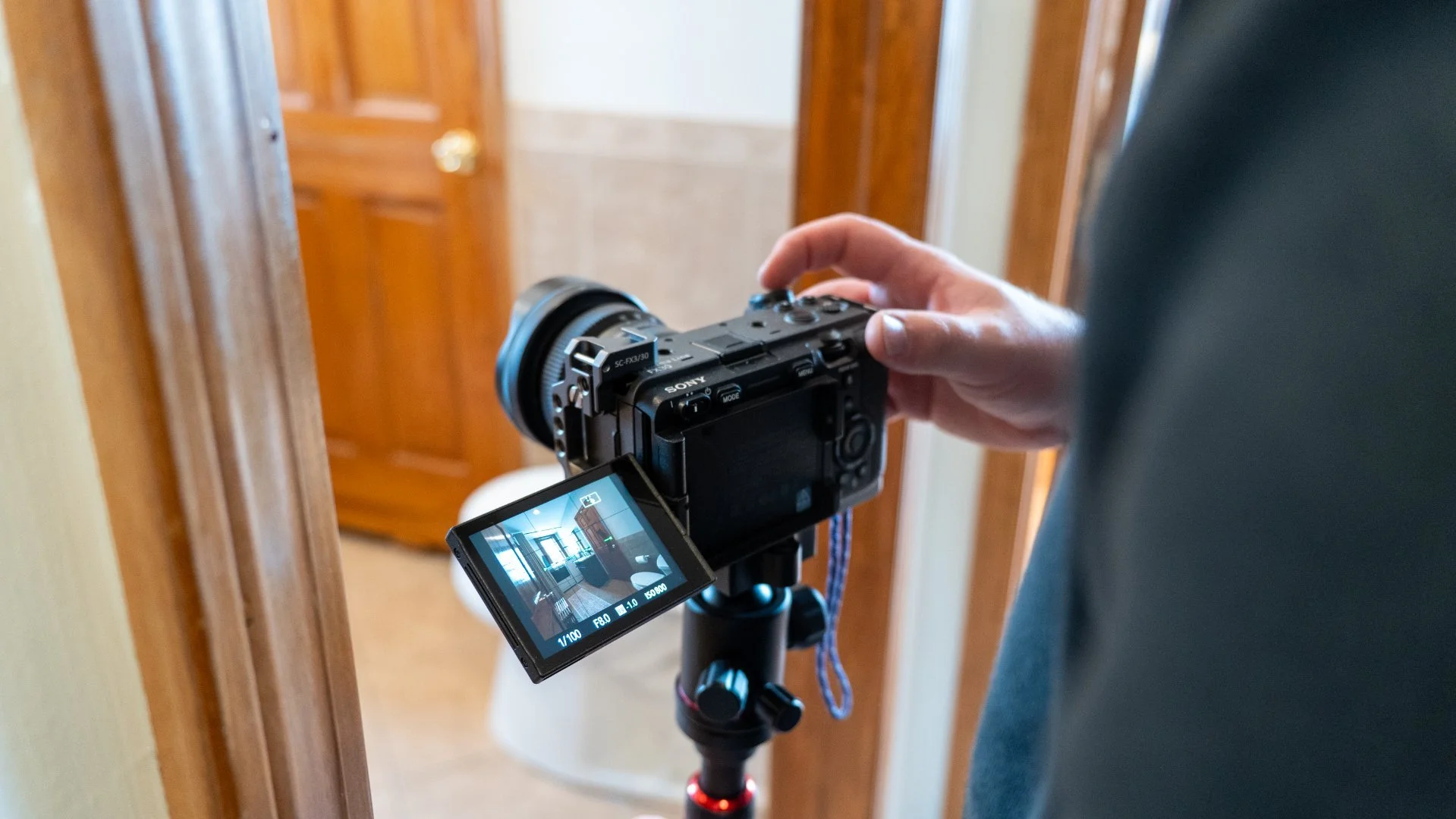
For photo and video work, the biggest questions I had were around gear and client work. I wanted to know how equipment is valued if it needs to be replaced, what happens if gear gets damaged while traveling, and whether coverage follows me to different locations. I also wanted to make sure it would be easy to get a certificate of insurance when a client or venue asks for one, since that comes up a lot.
Things to Consider for Drone Insurance
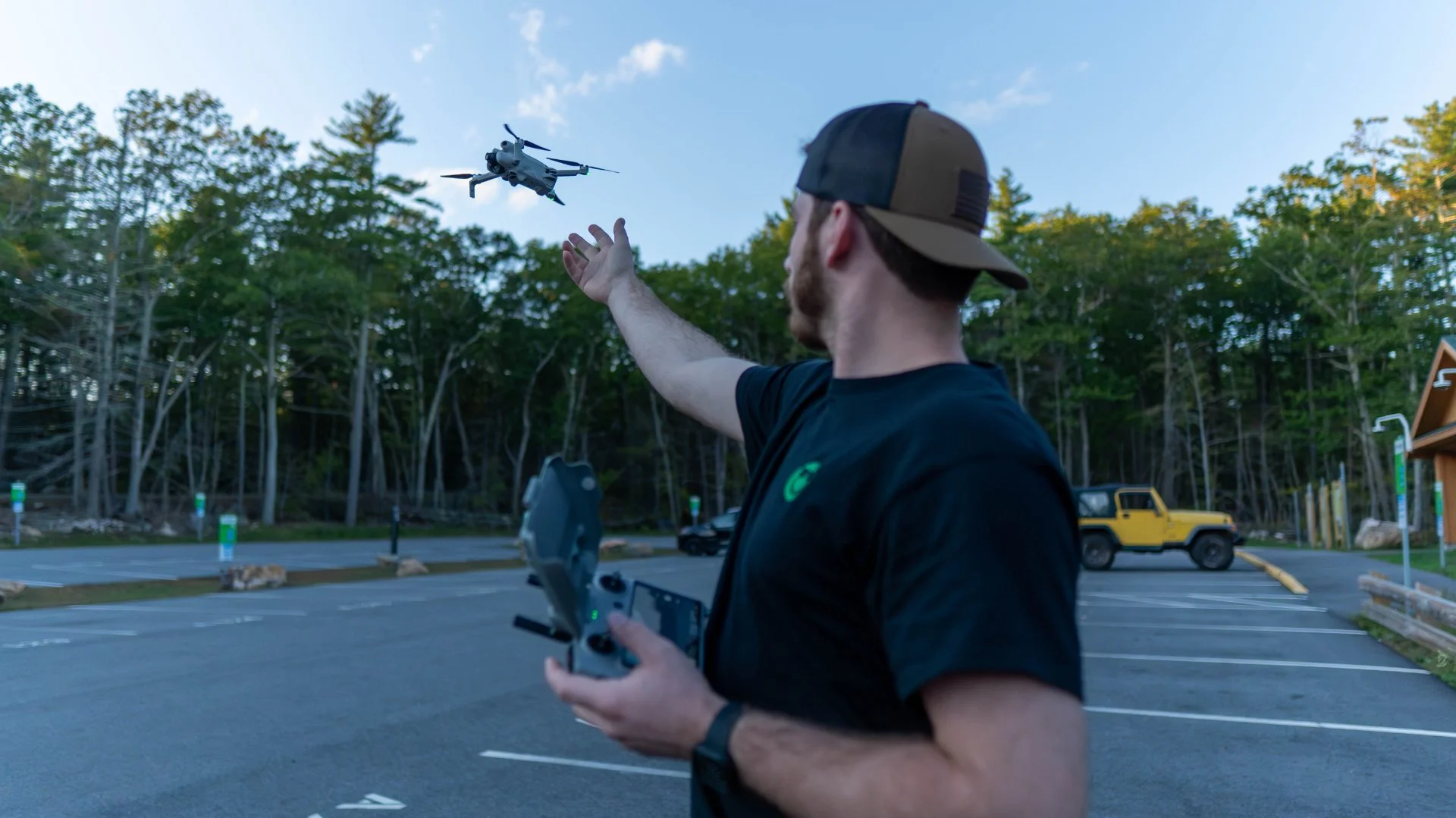
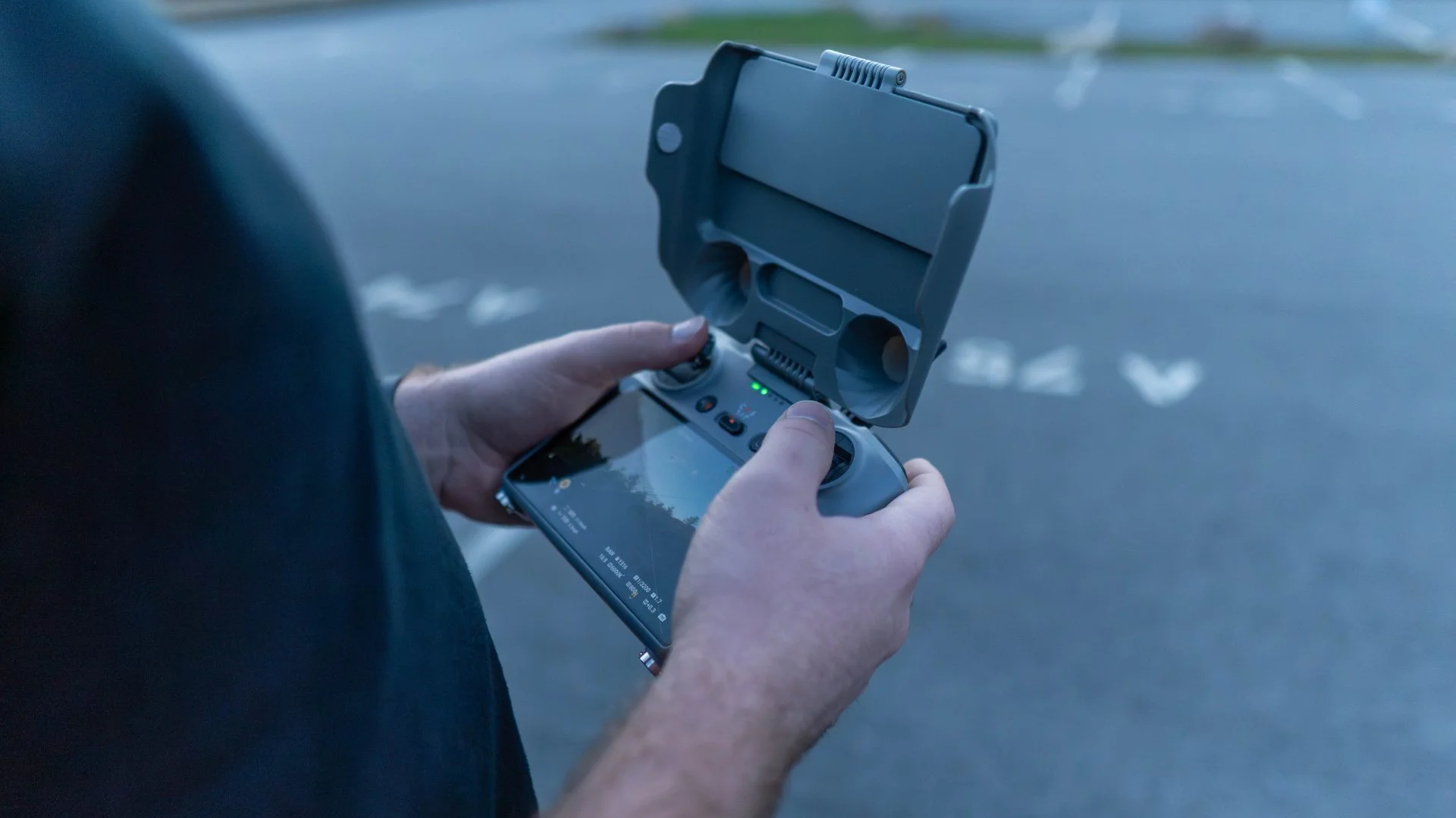
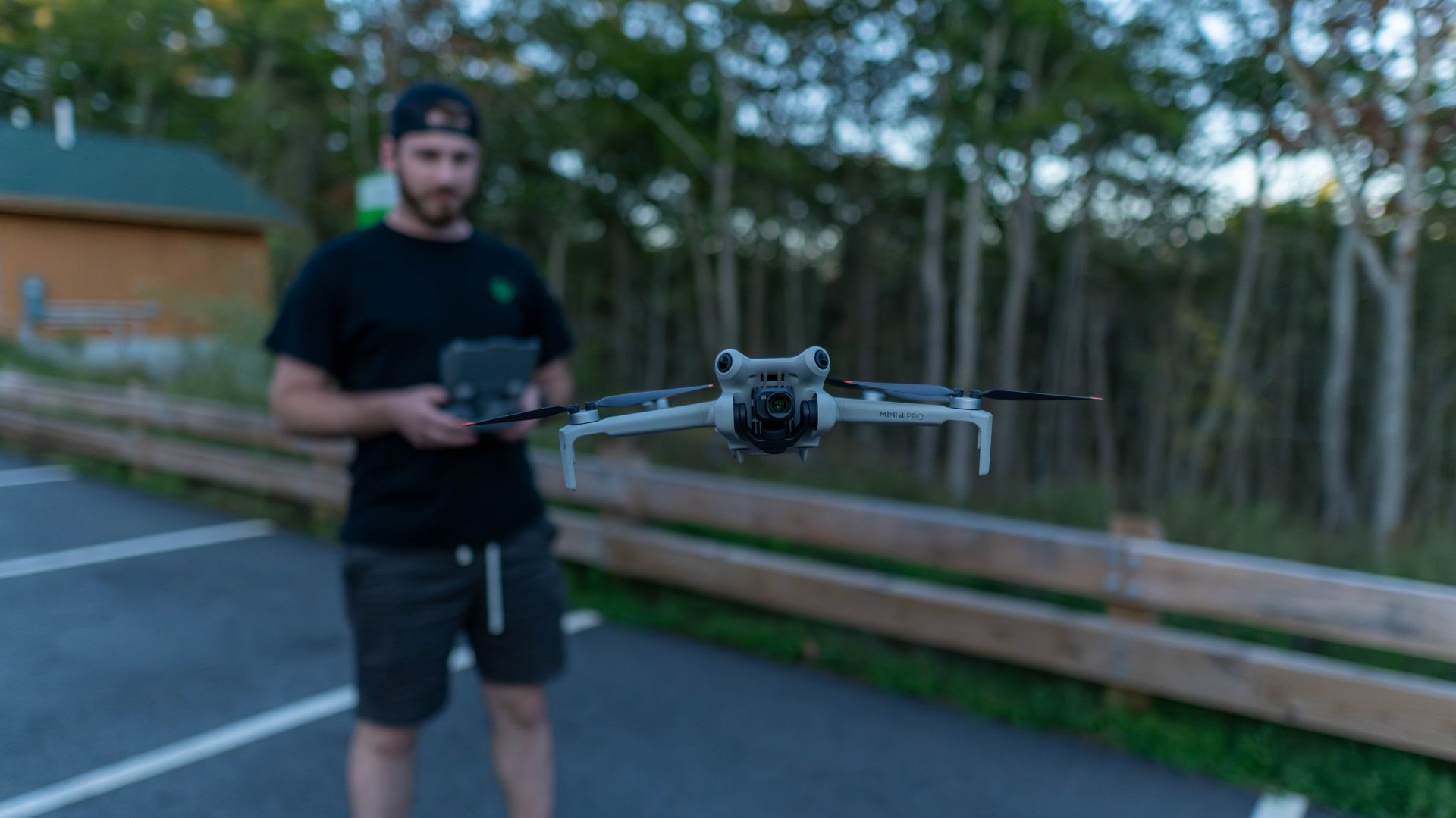
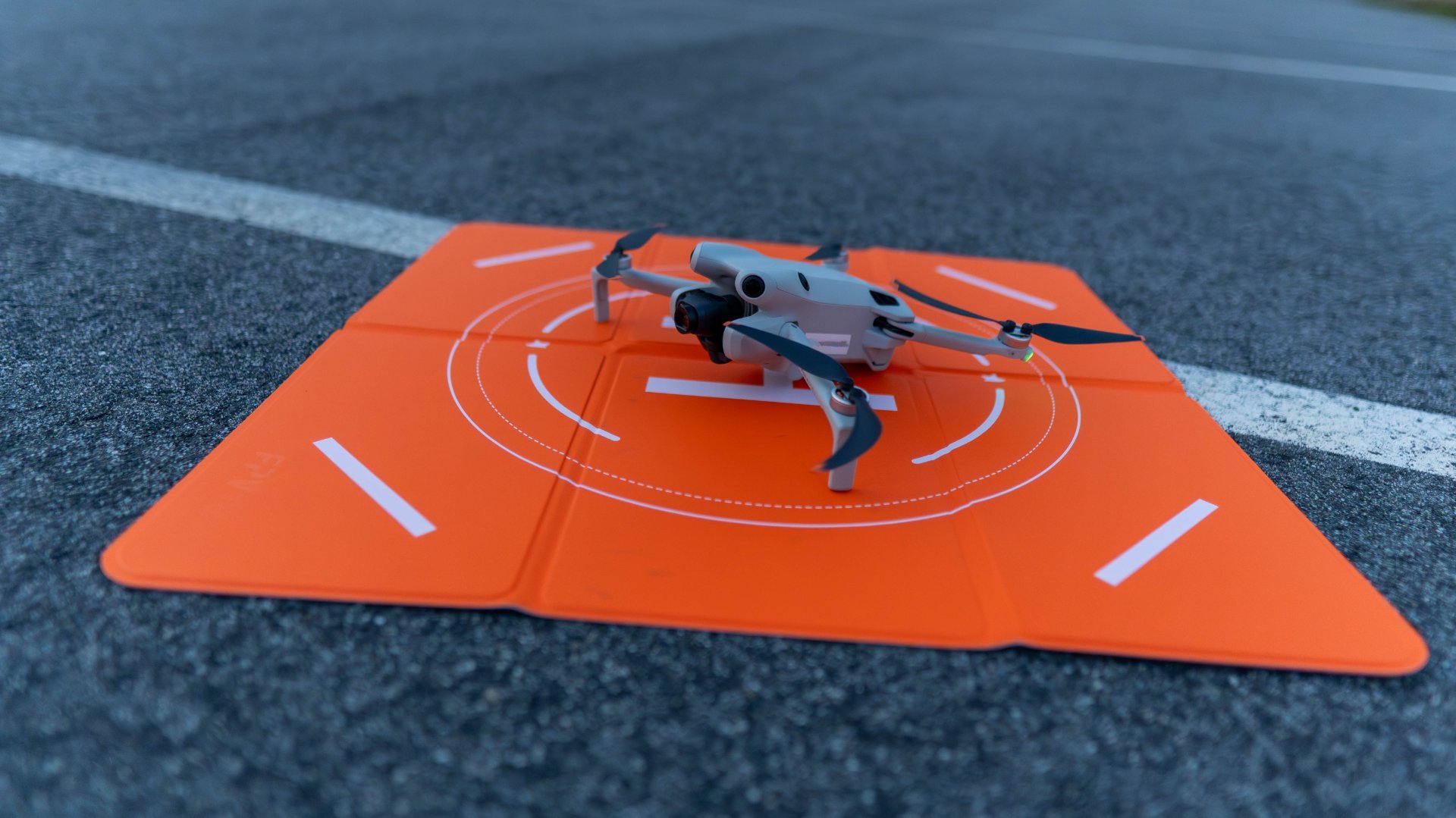
Drone work adds another layer, and I had insurance agents ask me about this specifically because I list drone use on my website here. It’s important to understand liability coverage if something happens while flying, whether the drone itself is covered for damage, and whether the policy matches how and where you actually fly. If you’re flying commercially, make sure you understand both the insurance side and the FAA requirements for your operation, since those are two separate things.
Things to Consider for Audiovisual Installation Insurance
AV installation was a different conversation than photo and video. Installing equipment means working inside clients’ businesses, using tools and ladders, and leaving behind systems people rely on after I’m gone. I asked a lot of questions about coverage while on a job site, coverage for work after it’s completed, and what clients typically require before an install. For me, this ended up needing a separate policy from my photo and video coverage.
Questions I’d Recommend Asking Your Insurance Agent
Talking to agents was the most helpful part of this whole process. These were some of the questions I found myself asking over and over:
What exactly is covered, and what’s excluded?
Can you review my application to make sure everything is accurate for my business? (If you fill out a form to request a policy online)
Is drone work included, or does it need an add-on?
How quickly can I get a certificate of insurance?
Does this policy cover all the services I offer, or just some of them?
I’d also recommend being completely upfront about everything you do. It’s better to find out a service isn’t covered now than after something happens.
What I Ended Up Choosing
After comparing options, I went with Full Frame Insurance for our photography, videography, and drone work. It was a great fit for the kind of creative work we do and very easy to price out, and I’d recommend checking them out if you’re in that space. For our audiovisual installation work, I ended up going with a business policy through Progressive. That’s what made sense for our situation, but the right choice for you will depend on your own business, so I’d encourage you to compare a few options and ask a lot of questions.
Work With an Insured Media and AV Team in Metro Detroit
Taking the time to get the right coverage was important to us because we want our clients to feel confident when they work with us. Whether you need photography, videography, aerial drone media, or audiovisual installation, I’d love to talk about your next project. Reach out through our contact page and let’s start a conversation.

Disclaimer: I’m not an insurance agent, lawyer, or financial advisor, and this post isn’t legal or insurance advice. It’s just my own experience going through the process for our business. Every business is different, so talk to a licensed insurance professional about your specific situation.